Fernsehturm Berlin History: DDR Origins and Modern Identity
A long-form historical overview of Berlin TV Tower, from its East German construction era to its present-day role in unified Berlin.
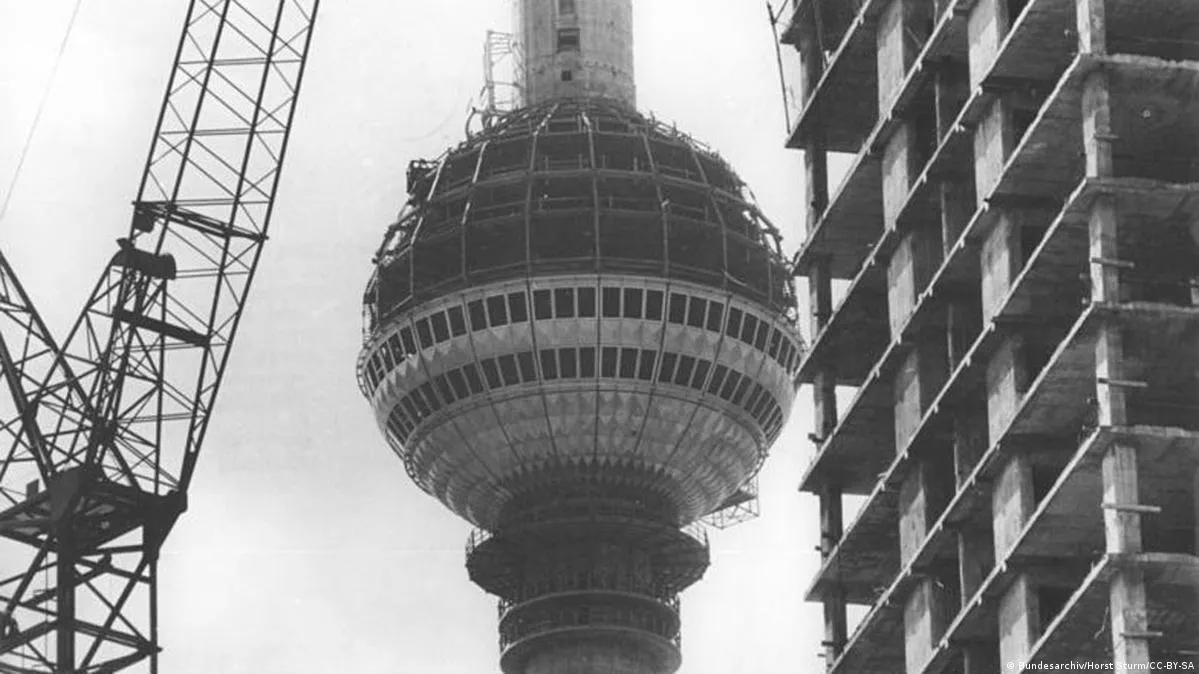
The Fernsehturm is often called a postcard icon, but its origin story is deeply political. It was conceived during the Cold War as a statement of modernity, technology, and visibility.
Historical timeline
| Period | Key shift |
|---|---|
| Planning era | Symbolic and technical ambition emerges |
| Construction years | Engineering meets political messaging |
| Late 20th century | Landmark reinterpreted after reunification |
| Today | Shared city symbol beyond ideology |
Why symbolism mattered
- Height conveyed capability.
- Central placement reinforced urban narrative.
- Public access linked infrastructure with identity.
A landmark that changed meaning
After reunification, the tower did not disappear into history. It adapted. Berliners and visitors reframed it from ideology-first monument to city-first viewpoint.
Reading the site today
- Observe the tower against Alexanderplatz's evolving architecture.
- Compare archival photos with current street life.
- Notice how tourists and locals use the space differently.
Few structures in Berlin reveal political layers as quickly as the Fernsehturm.
Bottom line
To understand modern Berlin, read the tower as both engineering and memory: a structure whose meaning expanded over time.
About the Author

Berlin Local Editorial Team
This guide was created to help travelers visit the Berlin TV Tower with realistic expectations, better timing, and a clearer sense of what makes the experience special beyond the obvious skyline photos.
Tags
Comments (0)
Loading comments...